
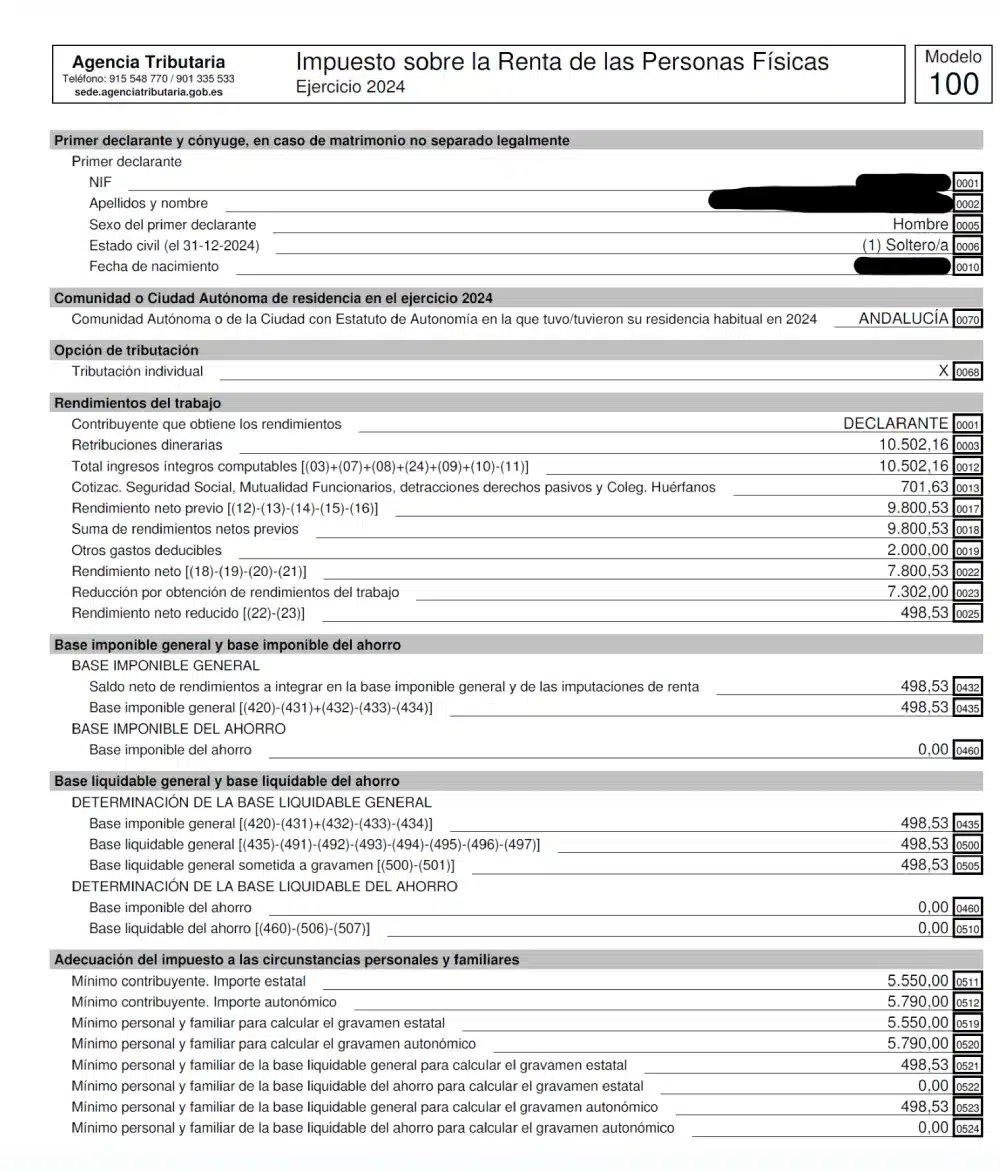
If you are a tax resident in Spain, you must declare and pay income tax (IRPF – Impuesto sobre la Renta de las Personas Físicas) on your worldwide income.
Whether your income comes from employment, self-employment, rentals, or investments, understanding your obligations is essential to avoid penalties and optimize your tax position.
At Taxadora, we help residents file their Spanish income tax accurately while identifying deductions and planning opportunities.
Explore our resident tax services:
https://taxadora.com/taxes-for-residents-in-spain/
You are considered a tax resident in Spain if:
You spend more than 183 days per year in Spain
Your main economic interests are located in Spain
Your spouse and/or dependent children live in Spain
Tax residents are taxed on worldwide income, while non-residents are only taxed on Spanish income.
If you are unsure about your status, getting it right is critical—residency determines your entire tax treatment.
Spain applies a progressive tax system, meaning higher income is taxed at higher rates.
General state rates:
| Taxable Income (€) | Tax Rate |
|---|---|
| Up to 12,450 | 19% |
| 12,451 – 20,200 | 24% |
| 20,201 – 35,200 | 30% |
| 35,201 – 60,000 | 37% |
| 60,001 – 300,000 | 45% |
| Over 300,000 | 47% |
Important:
Regions apply their own adjustments
Your final rate depends on your autonomous community
Investment income is taxed separately from employment or rental income under Spain’s savings tax scale (base del ahorro).
This applies to:
Savings income tax rates (2026):
| Taxable Savings Income (€) | Tax Rate |
|---|---|
| Up to 6,000 | 19% |
| 6,001 – 50,000 | 21% |
| 50,001 – 200,000 | 23% |
| 200,001 – 300,000 | 27% |
| Over 300,000 | 28% |
Important:
Spanish tax residents must report all income, including:
Employment income (salary, bonuses, benefits)
Self-employment or freelance income
Rental income from property
Investment income (dividends, interest, capital gains)
Pensions (Spanish and foreign)
Foreign income and business profits
If you own property or investments abroad, additional reporting may apply:
https://taxadora.com/modelo-720-declaring-foreign-assets/
Rental income must always be declared as part of your income tax return.
If you are a NON-Resident:
For a deeper breakdown of rental taxation rules:
https://taxadora.com/rental-income-taxes-in-spain/
Capital gains from selling assets are also taxed and must be included in your return:
https://taxadora.com/capital-gains-taxes/
If you earn income abroad, Spain’s double taxation treaties may prevent you from being taxed twice.
However, these rules are complex and depend on:
The country involved
The type of income
The applicable treaty
Correct application is essential to avoid overpaying taxes.
The annual tax return (Declaración de la Renta) is filed:
Between April and June
For income earned in the previous year
The process includes:
Collecting all income documentation
Applying deductions and tax credits
Reviewing and submitting the return
Mistakes or omissions can trigger penalties or audits.
Failure to file or incorrect filing may result in:
Fines ranging from €100 to several thousand euros
Interest on unpaid taxes
Tax audits and investigations
Spanish tax authorities are increasingly using data matching and international reporting, making compliance more important than ever.
At Taxadora, we support residents with:
Accurate income tax filing (Modelo 100)
Identification of deductions and tax savings
Handling foreign income and double taxation issues
Ongoing support in case of tax queries or audits
Our goal is simple: ensure compliance while optimizing your tax position.
If you are a tax resident in Spain, declaring your worldwide income is not optional—it is a legal obligation.
With multiple income types, regional variations, and international considerations, Spanish income tax can quickly become complex.
Getting it right from the start saves time, money, and stress.
For expert support, Taxadora helps you file correctly and efficiently—so you can focus on your finances with confidence.
Contact us for assistance with a wide range of tax procedures, tailored to your needs


